



 English
 Key Considerations When Purchasing Valves Wholesale
Wholesale valve purchasing is not merely a price-driven transaction; it is a strategic procurement decision that directly affects project risk, post-installation failure rates, service workload, and reputation management. For wholesalers and plumbing contractors, selecting the right product with the correct specifications significantly reduces costs related to returns, leakage issues, and construction delays.
Valve selection should never follow a “one product fits all” approach. Before purchasing, clearly define the following three questions:
What is the fluid? (clean water, hot water, closed-loop heating water, chemically treated fluids, etc.)
What are the operating conditions? (maximum pressure, maximum temperature, risk of pressure surges)
Where will it be installed? (inside residential units, manifold lines, main risers, industrial pipelines, outdoor areas)
These parameters determine not only the valve type but also critical details such as body material, seals, and ball surface characteristics.
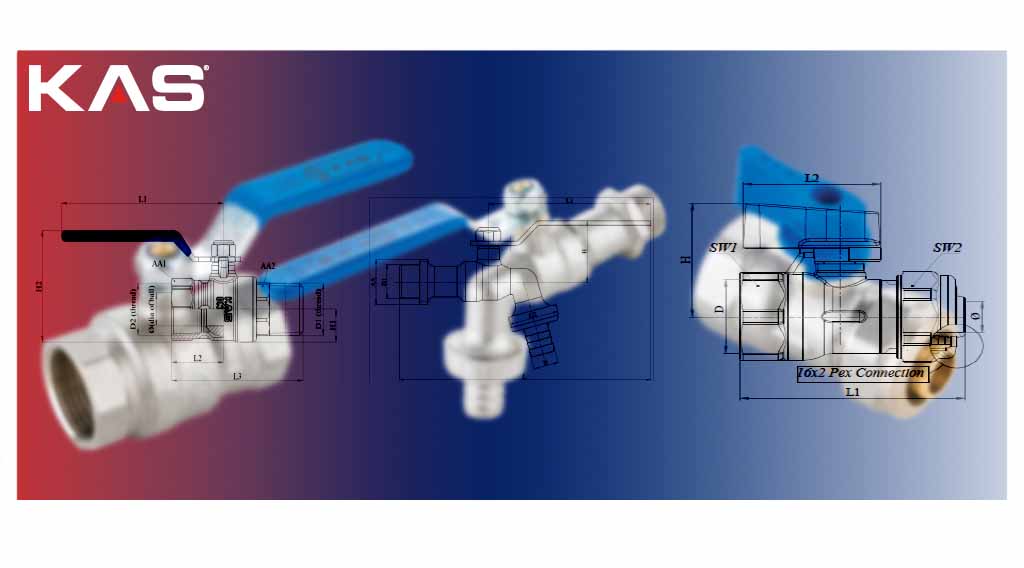
Use the Right Valve Type in the Right Application
Most field-related problems arise from using the wrong valve type in the wrong location. Common valve types include:
Ball valves: Ideal for on/off control. They offer quick operation, low pressure loss, and ease of use.
Butterfly valves: Economical and practical for large diameters, commonly used in main pipelines.
Check valves: Prevent backflow and are critical for pump and system protection.
Radiator valves / thermostatic valves: Used for temperature control in heating systems.
When preparing a purchase list, clearly specifying the application of each item (e.g., “riser line, 2 inches” or “manifold inlet, 1 1/4 inches”) significantly reduces errors.
Material Quality and Body Standards
The valve body and internal components are the primary determinants of quality.
Brass body: Widely used in residential and commercial applications; durable and long-lasting.
Stainless steel body: Preferred in aggressive environments and applications requiring higher durability.
However, it is not sufficient for a valve to be labeled simply as “brass” or “stainless steel.” The alloy composition and manufacturing workmanship are equally critical. Two valves that appear identical can perform very differently in real-world conditions.
Sealing Structure and Internal Mechanism
Sealing performance defines a valve’s true reliability. Pay close attention to:
The surface finish and coating quality of the ball
The seal material’s ability to maintain form under heat and pressure
For plumbing contractors, the key risk is this: a low-quality valve may begin leaking months after installation, leading to costs far beyond the product price—labor, repairs, and customer dissatisfaction.
Document Pressure and Temperature Ratings
In wholesale purchases, do not rely solely on supplier claims. Always request written documentation for:
Maximum operating pressure
Maximum operating temperature
Suitable fluid types (especially for heating and cooling systems)
These specifications are particularly important for projects such as residential complexes, hotels, hospitals, and industrial facilities, where compliance with technical specifications is mandatory.
Thread Standards, Dimensions, and Installation Compatibility
One of the main factors affecting on-site efficiency is dimensional compatibility. Verify the following:
Thread type and standard (may vary by application region)
Nominal sizes and transition dimensions (1/2”, 3/4”, 1”, 1 1/4”, etc.)
Handle type and usability (especially critical for installations in confined spaces)
Incompatible products lead to the need for adapters or additional fittings, increasing costs and delaying project completion.
Manufacturing Quality, Testing Processes, and Certification
From a wholesaler’s perspective, returns and failures are among the most costly issues. To minimize these risks:
Review the manufacturer’s quality control and testing processes
Request documentation confirming pressure and leakage testing where possible
Check for relevant industry certifications, depending on the product category
This approach helps stabilize inventory quality and supports long-term supply relationships.
Logistics, Stock Continuity, and Product Range Consistency
Wholesale purchasing requires continuity rather than one-time availability. Clarify the following with your supplier:
Stock continuity for the same product series
Completeness of the product range across different sizes and types
Bulk shipment capabilities and delivery schedules for project phases
Packaging and carton standards for easy storage, counting, and shipment
For contractors, the ability to source the same product with consistent quality in subsequent months is a critical trust factor.
After-Sales Support and Warranty Management
For infrastructure products like valves, warranty terms directly affect field risk. Clearly define:
Warranty conditions (scope, duration, procedures)
Replacement and return processes in case of failure
Technical support and project consulting services, especially for large-scale projects
A professional warranty process reduces operational burden for both wholesalers and installers.
Evaluate the Price–Quality Balance Based on Total Cost
The lowest unit price rarely represents the best purchasing decision. True cost factors include:
Labor costs resulting from failures or leaks
Construction delays
Return and re-shipment expenses
Customer dissatisfaction and reputational damage
Therefore, price comparisons should be based on total cost of ownership, not just unit price.
Selecting the correct valve type, appropriate materials, documented technical specifications, reliable quality control, and consistent stock availability provides the level of trust most needed by wholesalers and plumbing contractors. Turning these criteria into a standardized checklist when purchasing valves wholesale reduces failure rates and operational friction, enabling a more sustainable and reliable procurement and installation process.

Made in Türkiye

First Class Material
